 ®
®
Nikon Instruments Inc. | Americas
- fr Change Region
- Global Site

NIS-Elements Viewer is a free, standalone application for viewing image files and datasets with the same advanced visualization tools found in the full NIS-Elements software core packages. Enjoy consistent performance and a familiar interface, whether you're working in 2D or exploring complex 3D data.
Key Capabilities:
Minimum System Requirements
By downloading you confirm that you have read and agree with Nikon’s End User License Agreement, Terms of Use and Privacy Agreement.
This is an initial release of NIS-Elements Viewer for macOS that includes a focused set of core features.
By downloading you confirm that you have read and agree with Nikon’s End User License Agreement, Terms of Use and Privacy Agreement.
The NIS-Elements File Checker is a support tool for users running NIS-Elements versions 5.00.00 to 5.42.06 who are not ready to move to the latest version. It helps you keep working with your existing setup while checking for software vulnerabilities to ensure smooth compatibility and reliable performance.
This tool is especially helpful if:
By downloading you confirm that you have read and agree with Nikon’s End User License Agreement, Terms of Use and Privacy Agreement.
Unlock effortless imaging with NIS‑Elements LE, Nikon’s free, intuitive software designed to provide smooth control over supported Nikon microscope cameras. From live image display to essential annotation and measurement tools, NIS‑Elements LE offers a clean workflow ideal for everyday microscopy tasks.
Key Features:
Supported cameras: Digital Sight 50M, Digital Sight 10, Digital Sight 100, Digital Sight 1000
(Compatible OS: Windows 11 Pro 64bit)
* For information about compatible tablet PCs, contact Nikon.
By downloading you confirm that you have read and agree with Nikon’s End User License Agreement, Terms of Use and Privacy Agreement.
En utilisant un réseau neuronal convolutifs utilisant un cadre MXNET codé avec plusieurs milliers d'exemples de données confocales résonantes, des poids assimilables sont attribués aux données d'image d’entrée, ce qui résulte en l’apprentissage par le réseau à établir des corrélations et à reconnaître des modèles: le principal modèle courant étant le bruit de fond de Poisson, le réseau a été entraîné à reconnaître et à supprimer le bruit de fond provenant des ensembles de données confocales A1 résonantes. Cet algorithme d'intelligence artificielle (IA) qualifié peut même ensuite être utilisé en temps réel pour la suppression du bruit.
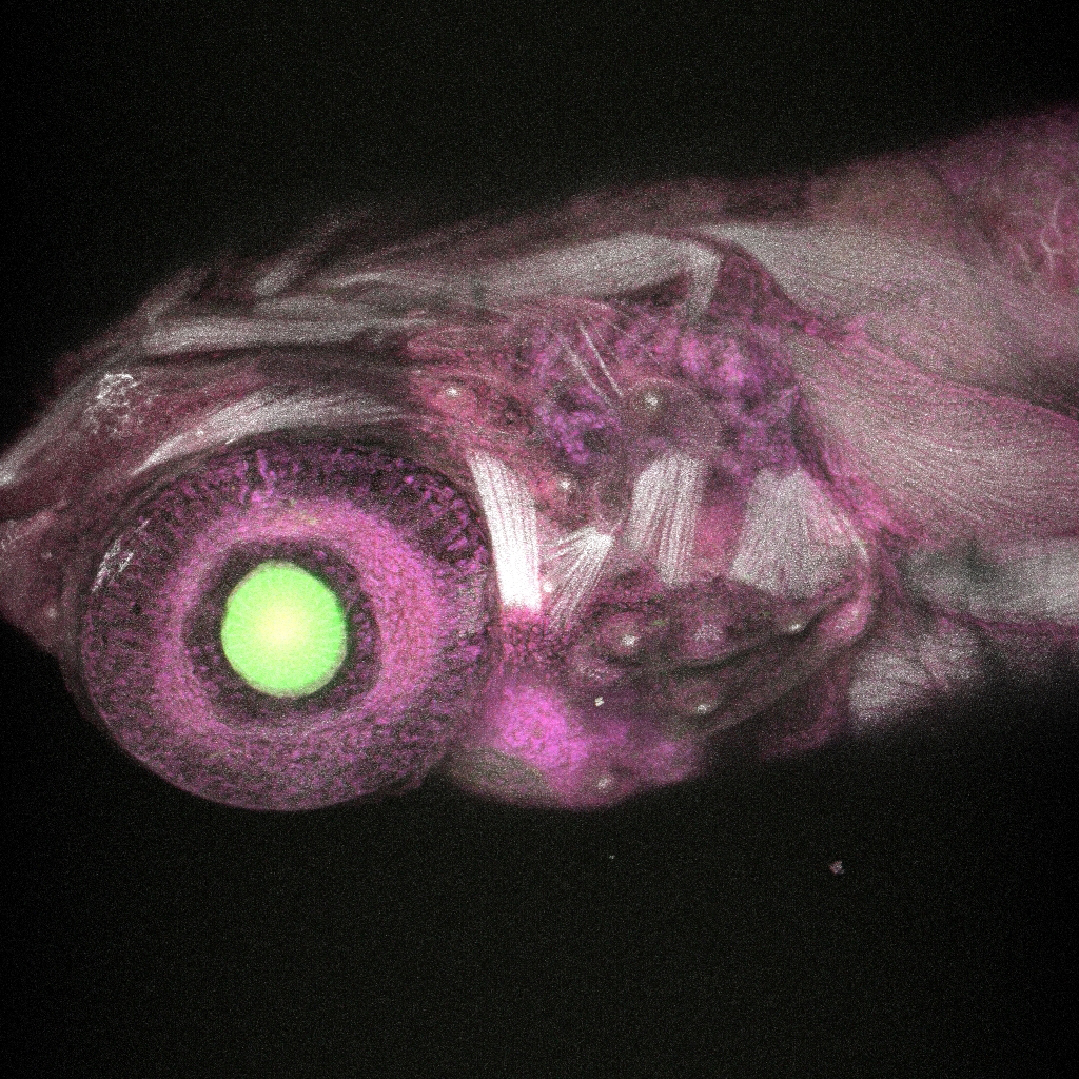
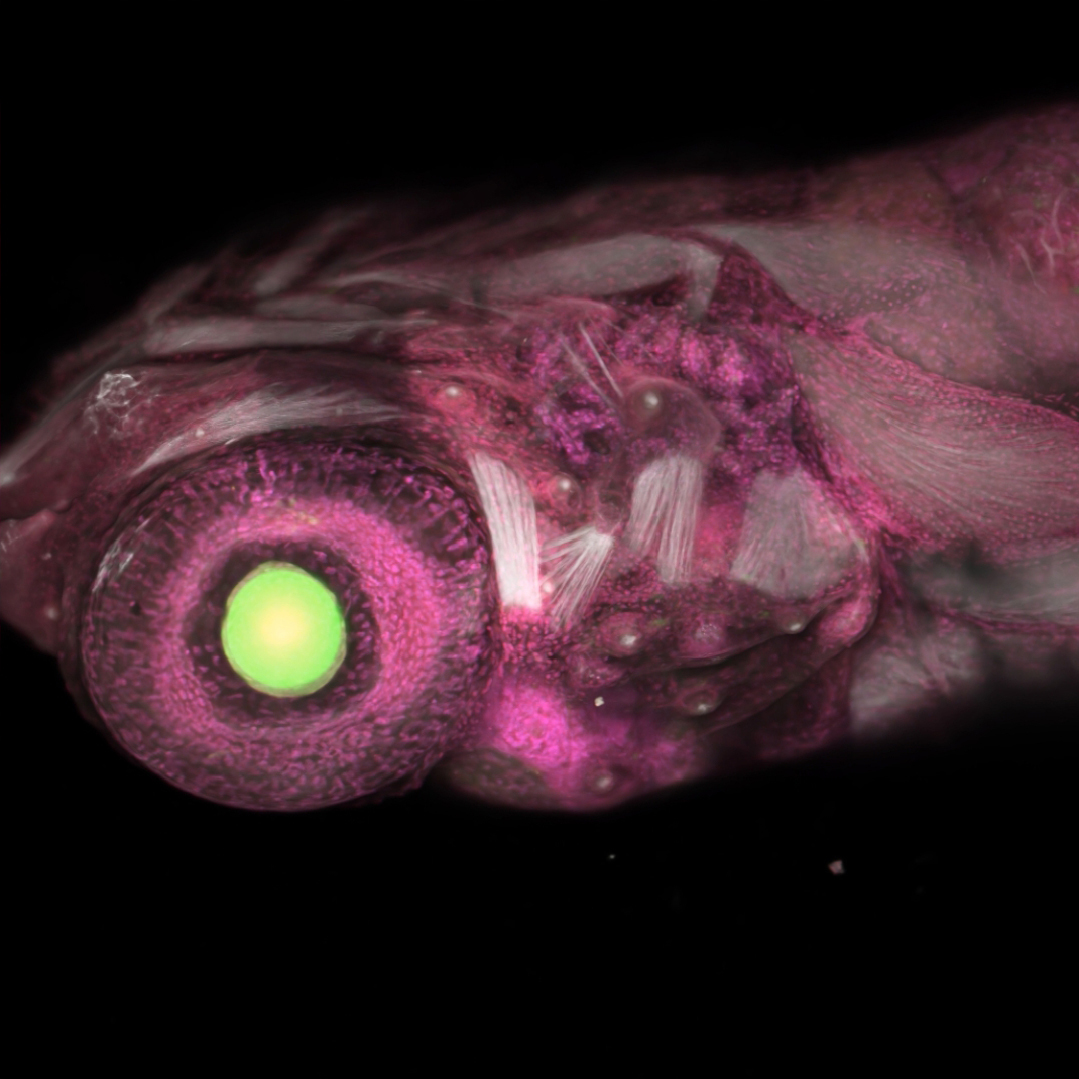
NIS-Elements offers advanced 3D and 2D deconvolution modules for improving image quality. Upload your image to our NIS-Elements deconvolution test site to see the difference.